Physical Address
304 North Cardinal St.
Dorchester Center, MA 02124
Physical Address
304 North Cardinal St.
Dorchester Center, MA 02124

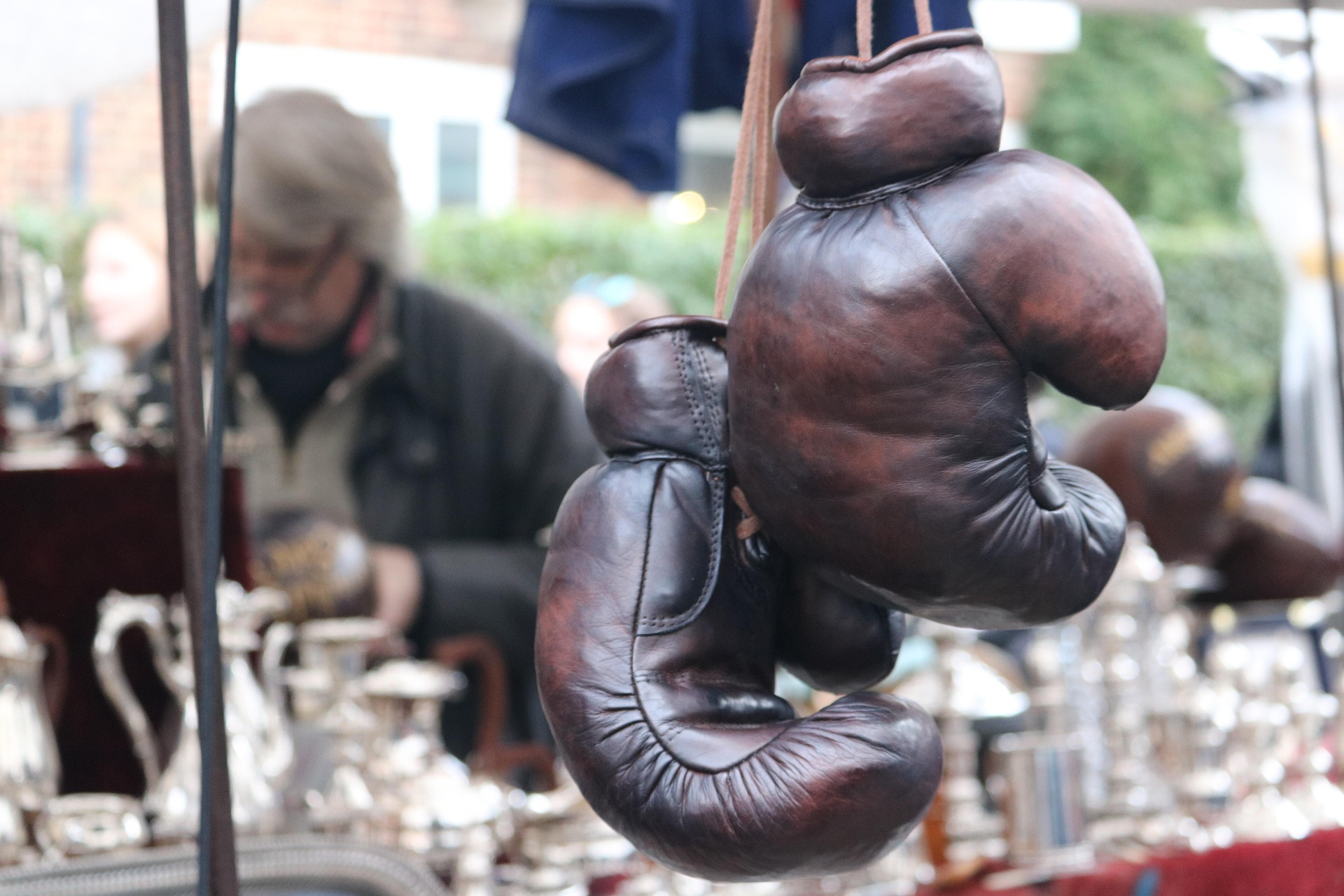
Boxing is one of the world’s most physically demanding combat sports. At its simplest, it involves two fighters using their fists to attack and defend over a series of timed rounds. While the sport is often associated with professional bouts, boxing gloves are equally important for anyone training on the heavy bag, working pads, or sparring in a gym.
Because the hands are the primary weapons in boxing, protecting them is essential. A poorly fitting or unsuitable pair of gloves can contribute to hand, wrist, or knuckle injuries, while the right gloves provide the support and padding needed to train safely and effectively.
Boxing gloves have also evolved considerably throughout the sport’s history. Today, there are several different types, each designed for a particular purpose. Bag gloves, training gloves, sparring gloves and competition gloves can look similar, but they are not interchangeable in every situation.
Choosing the right pair therefore involves more than simply picking a brand or choosing the gloves that look best. You need to consider what you will use them for, their weight, fit, construction, padding and closure system.
The right boxing gloves should suit the type of training you intend to do. A glove designed for hitting a heavy bag does not necessarily provide the same characteristics you want when sparring with another person.
Start by considering the glove’s intended purpose. If you’re primarily working on a heavy bag or pads, bag or training gloves are generally appropriate. If you’re going to spar, you’ll want gloves with sufficient padding around the knuckles to protect both you and your partner.
Fit is equally important. A boxing glove should feel secure without being painfully tight. Your fingers should sit comfortably inside the finger compartment, while your wrist should feel properly supported when the glove is fastened. You should also be able to make a natural fist rather than feeling as though your fingers are being forced into an awkward position.
Glove weight is another major consideration. Boxing gloves are measured in ounces, with common training and sparring weights ranging from 10 to 16 ounces. Heavier gloves generally contain more padding, although the exact construction varies between brands and models.
The closure system is largely a matter of preference and intended use. Velcro gloves are quick and convenient to put on and remove, making them particularly practical for training. Lace-up gloves can provide a more precise and secure fit, but they generally require another person to help put them on and take them off.
Finally, pay attention to construction and materials. Good-quality gloves should have durable outer material, consistent padding and solid wrist support. Breathability is also useful because boxing gloves inevitably become sweaty during training.
Boxing has ancient roots, with evidence of organized forms of fist fighting dating back thousands of years. For much of boxing’s early history, however, fighters either competed bare-knuckled or used rudimentary forms of hand protection.
One important figure in the development of modern boxing was Jack Broughton, an English bare-knuckle fighter who established rules for the sport in the 18th century. Broughton’s Rules, introduced in 1743, included provisions concerning what happened when a fighter was knocked down.
Broughton also developed padded gloves, known as “mufflers,” which were primarily intended for training and practice rather than competitive bouts.
The sport changed considerably during the 19th century. The Marquess of Queensberry Rules, published in 1867, formalized many of the practices associated with modern boxing, including the use of gloves, three-minute rounds and mandatory rest periods between rounds.
Gloves eventually became a standard part of competitive boxing, with padded gloves becoming mandatory in professional boxing under the Queensberry rules by the end of the 19th century.
Modern boxing gloves are considerably more sophisticated than their early predecessors. Manufacturers now use different types of foam, layered padding, reinforced wrist support and specialized designs depending on whether a glove is intended for training, sparring or competition.
There are several types of boxing gloves, although the terminology can vary between manufacturers. The main categories include bag gloves, training gloves, sparring gloves and competition gloves. There are also specialized designs for sports such as Muay Thai and MMA.
Bag gloves are designed primarily for heavy-bag and other striking-bag work. Their construction tends to prioritize durability and protection for the wearer’s hands rather than providing the softer padding required for sparring.
Modern bag gloves can use different types and configurations of foam padding. Some are relatively compact, while others are similar in appearance to general-purpose training gloves.
Bag gloves are not designed for use in conventional sparring. Even when they provide adequate protection for your own hands, their padding may be too firm for safely hitting a training partner.
Sparring gloves are specifically designed for training with another boxer. They generally have generous, relatively soft padding around the knuckles to reduce the impact delivered to your partner while still allowing you to work on realistic punching technique.
Sparring gloves commonly weigh 14 or 16 ounces, although the appropriate weight can depend on gym rules, your body size and the type of sparring being performed.
The important thing is not simply choosing the heaviest gloves available. Your gym may have specific requirements, and you should follow them when sparring.
Training gloves are the most versatile option for many beginners and recreational boxers. They are designed to handle a mixture of bag work, pad work and, depending on the model, sparring.
Their versatility makes them a popular choice for someone who only wants to buy one pair of gloves. However, dedicated boxers will often eventually own several pairs, using different gloves for bag work and sparring.
Training gloves are commonly available in weights from around 12 to 16 ounces.
Competition gloves are designed specifically for sanctioned bouts and are subject to the rules of the governing organization, commission or competition being contested.
Professional fight gloves are typically lighter and more compact than training or sparring gloves, with 8- and 10-ounce gloves commonly used depending on the fighter’s weight class and applicable rules.
Unlike training gloves, competition gloves are not designed for everyday gym use. They are intended for competition and may have considerably different padding characteristics from the gloves you use in training.
Professional fight gloves are also commonly secured with laces rather than Velcro, although exact requirements depend on the governing body and event.
Mexican-style gloves are not a separate regulatory category in the same way as sparring or competition gloves. The term generally refers to a style of glove associated with Mexican boxing and the traditional construction methods used by some Mexican manufacturers.
Some Mexican-style gloves use layered or horsehair padding, although modern versions can also use foam or combinations of materials. Their construction and characteristics vary significantly between manufacturers.
Muay Thai gloves look similar to conventional boxing gloves but are designed around the demands of Muay Thai. They tend to be more flexible and have additional padding around areas of the glove used for blocking kicks and other defensive techniques.
They are also designed to make it easier to open the hand for clinching, grabbing and controlling an opponent.
A dedicated Muay Thai glove can therefore be an excellent choice for Muay Thai training, but a traditional boxing glove may be more appropriate if your focus is exclusively boxing.
MMA gloves are considerably different from boxing gloves. They have an open-finger design that allows fighters to grapple, grab and control their opponents.
They contain much less padding than boxing gloves and are designed for a completely different range of techniques. MMA gloves should therefore not be used as a substitute for boxing gloves when doing conventional boxing training or sparring.
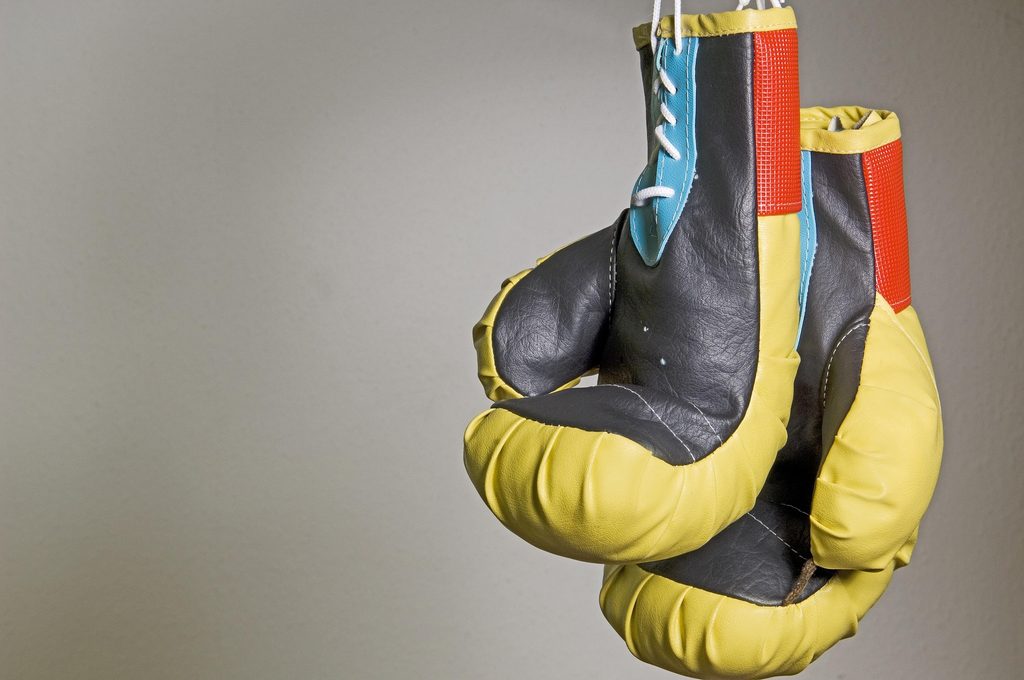
A good boxing glove should feel secure, comfortable and supportive without restricting your hand unnecessarily.
Fit is one of the first things to consider. When you put the glove on, your fingers should sit naturally inside it and your knuckles should line up correctly with the padded striking area. The glove should feel snug without putting excessive pressure on your fingers or knuckles.
Wrist support is also important. A well-designed glove should hold your wrist securely when fastened, helping you maintain a stable position when punching. This is particularly important when hitting bags with significant force.
The padding needs to match the glove’s intended purpose. Sparring gloves generally need sufficient, relatively forgiving padding to reduce the impact delivered to your partner. Bag gloves can use denser padding designed to withstand repeated contact with a heavy bag.
The closure system should also keep the glove securely in place. Velcro is convenient and easy to use, while lace-up gloves can provide a more precise fit but normally require assistance.
Construction quality matters as well. Look for durable stitching, a well-constructed wrist section and padding that feels evenly distributed. Leather gloves can be extremely durable when properly cared for, while modern synthetic materials can also provide excellent performance at a lower price.
Finally, consider ventilation and moisture management. Boxing gloves absorb plenty of sweat, so allowing them to dry thoroughly between sessions is essential for hygiene and longevity.
The most important factor is what you intend to do with the gloves.
If you’re primarily hitting a heavy bag, choose gloves designed for bag work or a versatile training glove. If you’re going to spar, use gloves specifically designed for sparring and follow your gym’s requirements regarding glove weight.
For beginners who are unsure what to buy, a good pair of 12- to 16-ounce training gloves is often the most practical starting point. However, your body weight, training style and gym’s rules should all be considered before making a final choice.
Glove weight deserves particular attention. A heavier glove generally contains more padding, but wearing heavier gloves does not automatically make you a more powerful puncher. Likewise, lighter gloves do not inherently make you faster. Glove weight can influence how your punches feel and how quickly your arms fatigue, but your actual punching speed and power depend primarily on your technique, strength, timing and conditioning.
The closure system is another personal preference. Velcro is convenient for everyday training, particularly if you’re training alone. Lace-ups can offer a more secure and customizable fit but are less practical without someone available to tie them.
Material and construction should also influence your decision. A cheap glove with poor construction may break down quickly, develop uneven padding or provide inadequate wrist support. Spending more on a well-made glove can be worthwhile if you’re training regularly.
Finally, consider the padding. Different gloves can feel dramatically different even when they have the same listed weight. Some use softer foam that feels forgiving when sparring, while others use denser padding that feels more responsive against a heavy bag.
If possible, try gloves on before buying them. Two gloves with the same weight and nominal size can fit very differently, so comfort and hand position should take priority over appearance.
Choosing boxing gloves is ultimately about matching the glove to the job. Bag gloves are designed for hitting bags, sparring gloves are designed to make partner work safer, and training gloves provide a versatile option for people who want to use one pair for several forms of training.
For most beginners, comfort, fit, wrist support and appropriate padding are more important than chasing the lightest or heaviest glove. Once you know how you’ll be using them, choosing the right weight and style becomes much easier.
The best boxing glove isn’t necessarily the most expensive or the one used by your favorite professional. It’s the glove that fits your hand properly, provides the appropriate protection and allows you to train comfortably and consistently.
Beginners should generally prioritize a well-fitting pair of training gloves with adequate padding and wrist support. A 12- to 16-ounce glove is a common starting point, although the right weight depends on your body size, intended use and gym requirements.
If you’re going to spar, check your gym’s rules before buying. Many gyms require 14- or 16-ounce sparring gloves.
Boxing gloves are measured in ounces rather than conventional clothing-style sizes. Common training gloves range from 10 to 16 ounces, while competition gloves are generally lighter.
The appropriate weight depends on what you’re doing with them. Bag and pad work can be performed with a range of glove weights, while sparring commonly requires 14- or 16-ounce gloves.
Your body weight can also influence the appropriate glove weight, particularly for sparring, but there is no universal rule that says a particular body weight must use a particular glove weight. Always follow your coach’s or gym’s requirements for partner work.
There can be a place for heavier gloves in training, but they should not be treated as a shortcut to greater punching power or speed.
Heavier gloves contain more padding and can make your arms work harder, but excessive use can also cause your technique to deteriorate as you fatigue. For most training, it makes more sense to use a glove appropriate for the specific exercise rather than deliberately choosing the heaviest possible option.
If you’re doing speed-focused work, lighter gloves can feel faster and less cumbersome. For sparring, however, the priority should always be appropriate protection for both you and your training partner rather than trying to maximize speed or power.