Physical Address
304 North Cardinal St.
Dorchester Center, MA 02124
Physical Address
304 North Cardinal St.
Dorchester Center, MA 02124

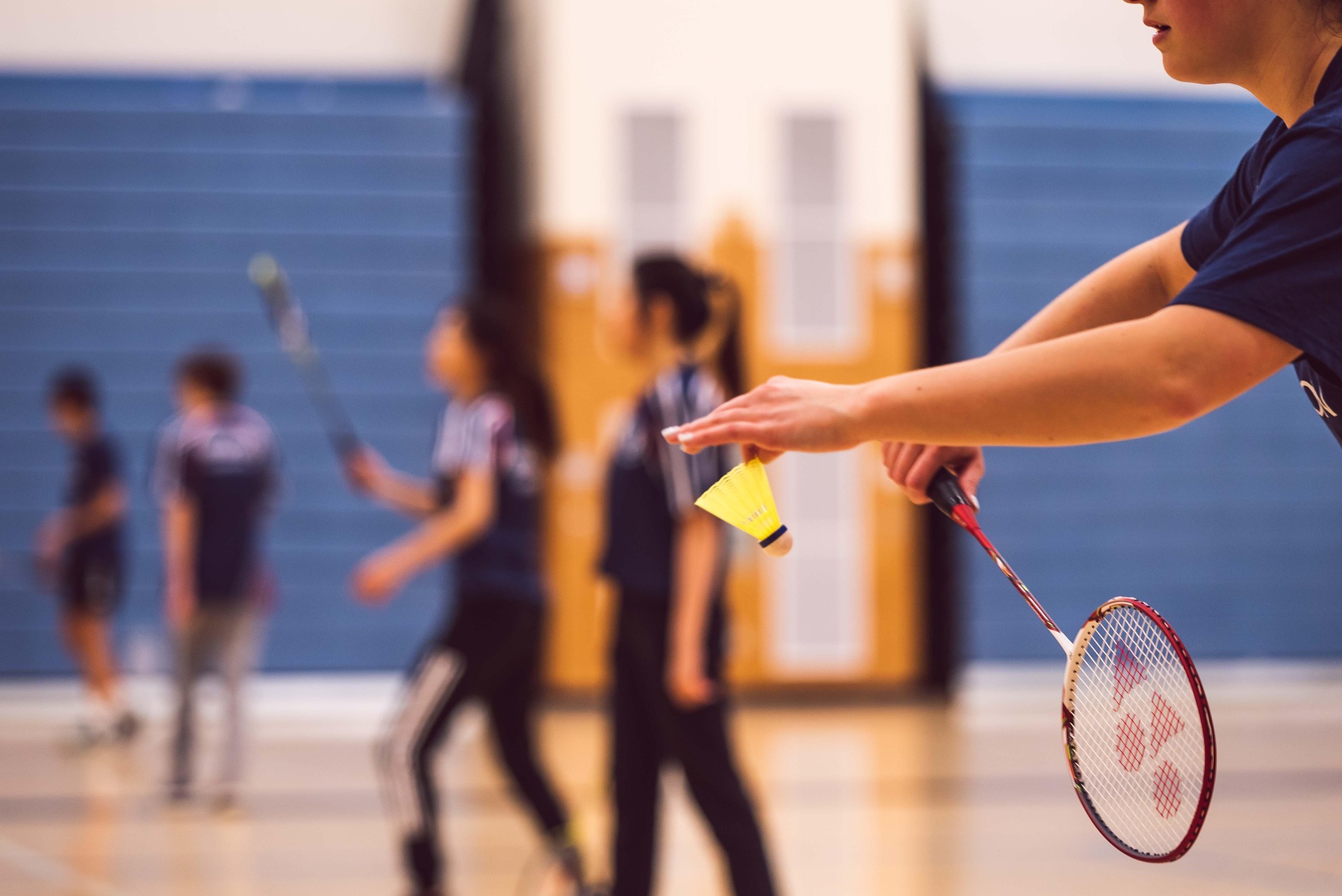
It’s no secret that staying active is important for your health. Regular physical activity can improve cardiovascular fitness, help you maintain a healthy weight, strengthen your muscles and bones, and support your mental well-being. But you don’t necessarily have to spend hours in a gym to enjoy these benefits.
Playing sports can be an enjoyable way to stay active while giving you a reason to keep moving regularly. Whether you’re playing football with friends, joining a boxing gym, swimming laps, playing tennis or taking part in a local sports league, there are plenty of ways that sport can benefit both your body and mind.
One of the biggest advantages of playing sports is that it makes physical activity more engaging. Instead of viewing exercise as another chore on your schedule, you’re working toward a goal, competing against an opponent or simply enjoying time with other people.
Regular physical activity can improve cardiovascular health by strengthening the heart and improving circulation. Over time, being physically active can help lower blood pressure, improve cholesterol levels and reduce the risk of cardiovascular disease. Many sports also involve short bursts of high-intensity activity, which can help develop both aerobic fitness and overall conditioning.
Sport can also help you build strength, coordination and balance. Depending on the activity, you may develop stronger muscles and bones while improving your agility, reaction time and body control. These physical skills can be useful well beyond the playing field.
Another important benefit is the effect physical activity can have on sleep. Regular exercise is associated with better sleep quality and can make it easier for some people to establish a consistent sleep routine. However, exercising intensely immediately before bed may make it harder for some people to fall asleep, so timing matters if you find that late-night training affects you.
The benefits aren’t limited to physical health. Playing sport can be good for your mental well-being, too. Physical activity can help reduce stress and is associated with a lower risk of developing depression and anxiety. Exercise also triggers the release of chemicals in the brain that can influence mood and contribute to the positive feeling many people experience after being active.
Sport can also improve confidence and self-esteem. Learning a new skill, becoming fitter or seeing yourself improve over time can provide a genuine sense of achievement. Team sports offer an additional benefit because they encourage communication, cooperation and social interaction.
If you’re new to sport, the most important thing is to find something you actually enjoy. There’s little point forcing yourself to play a sport you hate simply because you believe it provides the best workout. The best activity is often the one you enjoy enough to keep doing.
Think about the type of experience you want. Team sports such as soccer, basketball and volleyball provide plenty of social interaction and competition. Individual sports such as swimming, running, cycling and tennis allow you to focus more on your own progress. Combat sports, racket sports and recreational activities offer plenty of other options.
You don’t necessarily need expensive equipment or a gym membership to get started. Many sports require little more than basic equipment and a suitable place to play. You could join a local club, attend beginner sessions or simply get some friends together for an informal game.
If you’re returning to exercise after a long period of inactivity, start gradually. You don’t need to train like an athlete on your first day. Building your fitness over time is more sustainable and reduces the likelihood of doing too much too soon.
The specific health benefits you get from playing sport depend on the activity, how often you participate and how intensely you train. Nevertheless, regular participation can contribute to several important areas of health.
Heart and cardiovascular health: Sports that raise your heart rate can improve cardiovascular fitness and help you become more efficient at sustaining physical activity.
Muscle and bone health: Weight-bearing and resistance-based activities can help maintain muscle strength and support bone health. This becomes increasingly important as you get older.
Weight management: Sport burns calories and can contribute to maintaining or losing weight when combined with an appropriate diet. The amount of energy you use depends heavily on the sport, intensity and duration.
Mental well-being: Physical activity can help manage stress and is associated with better mental health. The social side of sport can provide another important source of enjoyment and connection.
Coordination and mobility: Many sports require you to move in different directions, react quickly and control your body. Regular practice can improve balance, coordination, agility and movement skills.
Sleep: Staying physically active can support better sleep quality and help establish a healthier sleep pattern.
It’s worth remembering that you don’t need to be exceptionally fit or competitive to benefit. Recreational participation can still provide meaningful health benefits, and increasing your activity gradually is often more important than worrying about how well you perform.
Being active is good for you, but playing sport also puts demands on your body. Taking a few basic precautions can help you train consistently while reducing the risk of avoidable problems.
Stay hydrated. Drink enough fluids before, during and after exercise, particularly when training in hot or humid conditions or participating in a long session. For most ordinary workouts, water is sufficient.
Warm up properly. A few minutes of gradual movement can prepare your body for more demanding activity. Your warm-up should reflect the sport you’re about to play rather than simply consisting of static stretches.
Use appropriate equipment. The right footwear and protective equipment can make a significant difference. Depending on the sport, this could include helmets, mouthguards, shin guards, protective padding or properly fitted shoes.
Don’t ignore pain. Normal muscle fatigue and some post-exercise soreness are different from sharp, persistent or worsening pain. If something hurts during exercise, don’t simply assume you need to push through it.
Give yourself time to recover. Rest is part of training. Your body needs time to repair and adapt, particularly after demanding sessions. Getting enough sleep and allowing adequate recovery between hard workouts can help you stay active in the long term.
Protect yourself from the sun. If you’re playing outdoors, use sunscreen, wear suitable clothing and consider the time of day and weather conditions. Heat can also increase the risk of dehydration and heat-related illness.
Most importantly, listen to your body. Becoming fitter is a gradual process, and consistency is generally more valuable than trying to achieve everything in a single session.
Playing sports can be an excellent way to improve your health without making exercise feel like a chore. Regular participation can benefit your heart, muscles, bones, fitness, sleep and mental well-being, while the social side of sport can provide additional motivation and enjoyment.
You don’t need to become a professional athlete to experience those benefits. Find an activity that you genuinely enjoy, start at a level that’s appropriate for your current fitness and gradually build up your participation. Whether you’re competing seriously or simply kicking a ball around with friends, making sport a regular part of your life can be a positive investment in your long-term health.